From

Vitiligo in Horses
Q: Pink skin under my horse’s eye – is this copper deficiency or something else?
My 5-year-old grey stallion has recently developed a thumb-sized pink patch of skin under his left eye - the skin was previously black. Someone told me this could be a sign of copper deficiency. Is that correct? Would supplementing copper help reverse this?
A: Loss of pigment in horses (Vitiligo) – causes and management
Loss of pigment in previously dark areas of a horse’s skin or coat is known as vitiligo. This condition is relatively common in horses and also occurs in other species, including humans (famously discussed by Michael Jackson).
What is vitiligo in horses?
Vitiligo typically appears as pink or depigmented patches around:
• Eyes
• Lips
• Nostrils
• Genital area
These patches may remain localised or spread over time. Importantly, vitiligo is:
• Not painful
• Not contagious
• Purely cosmetic (it does not affect performance or overall health)
Is vitiligo caused by copper deficiency?
While copper and zinc deficiencies can affect coat quality and pigmentation, vitiligo itself is not primarily caused by copper deficiency.
Vitiligo is believed to be an autoimmune condition, where the horse’s immune system attacks pigment-producing cells (melanocytes). It can sometimes become more noticeable during periods of stress.
It is believed there may be a genetic predisposition to vitiligo. It is seen more commonly in:
• Grey horses
• Arabians
Can nutrition help with vitiligo?
While there is no direct ‘cure,’ supporting overall nutrition can help manage the condition and support skin health.
Key nutrients linked to pigmentation and skin health include:
• Fat soluble vitamins A, D, and E
• Water soluble B vitamins
• Trace minerals such as copper and zinc
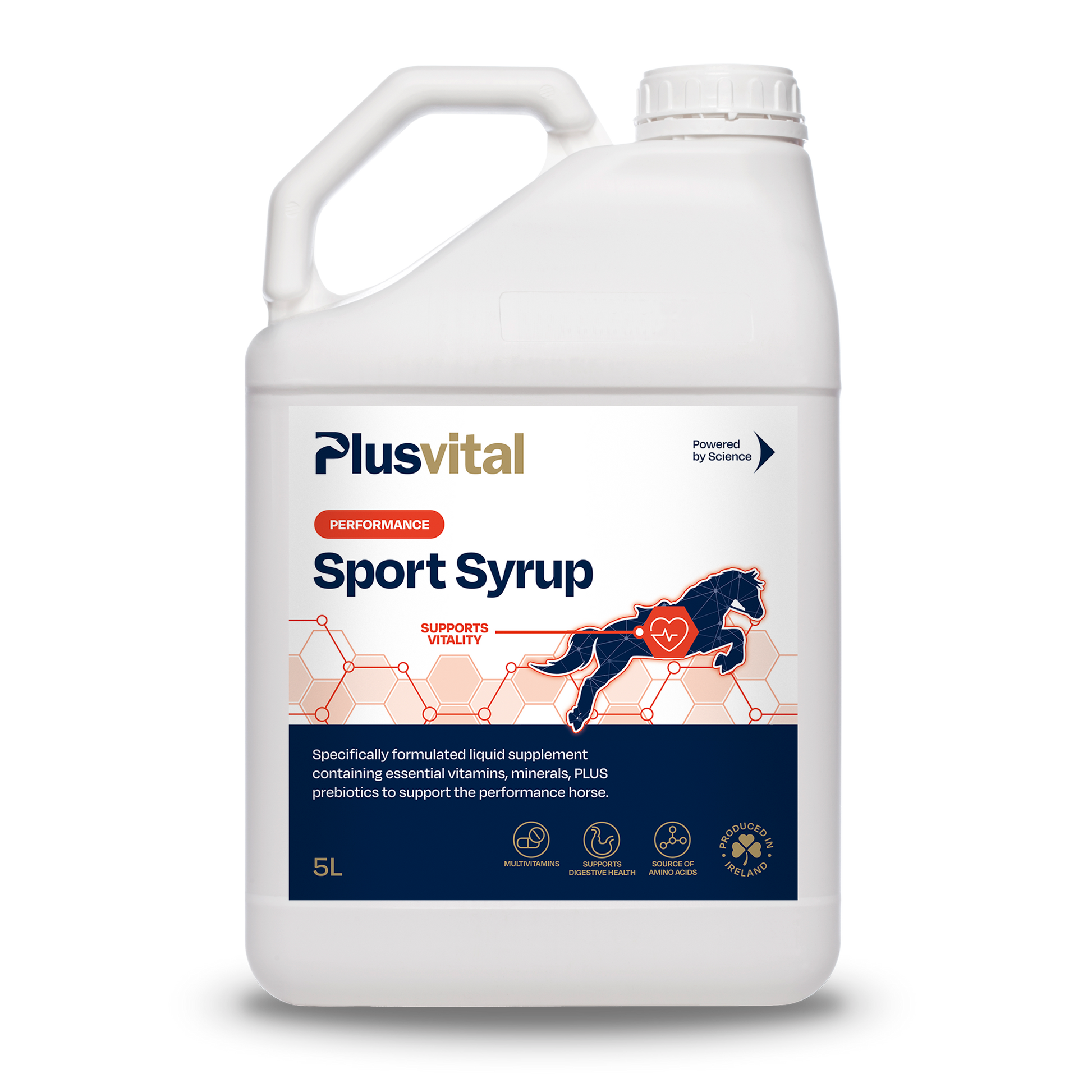
Ensuring your horse has a fully balanced diet is the most important step. A comprehensive supplement like Plusvital Sport Syrup can help ensure all essential vitamins and minerals are provided at the correct levels.
Supporting skin, coat and overall health
For additional coat and skin support, Plusvital Acti-Hoof can be beneficial. It contains biotin and nutrients that support keratin-based tissues, including skin, coat, and hooves.
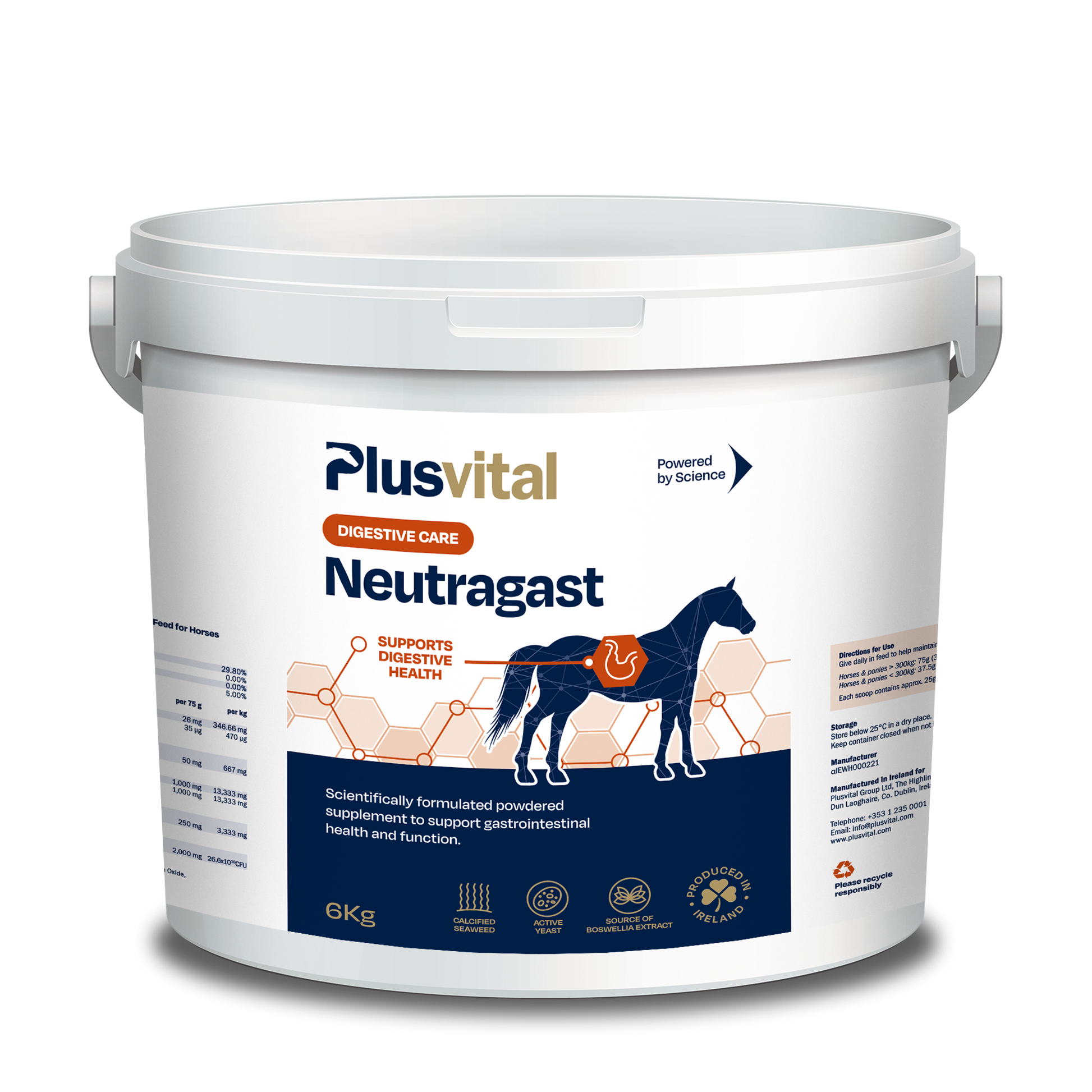
If your horse is experiencing stress (e.g. travelling, competing, or changes in routine), supporting gut health may also help regulate immune function. In these cases, Plusvital Neutragast is a good option.
Key Management Takeaways:
• Ensure a balanced diet with adequate vitamins and trace minerals
• Avoid focusing on copper alone—overall nutrition is key
• Minimise stress where possible
• Use sun protection, as unpigmented skin is more prone to sunburn
Summary
A pink patch under your horse’s eye is most likely vitiligo rather than a copper deficiency. While copper plays a role in pigmentation, simply supplementing copper alone is unlikely to reverse the condition. Instead, focus on balanced nutrition, stress management, and overall health support.
Products Featured in this Article
Neutragast
From €30.56
Scientifically formulated powdered supplement to support gastrointestinal health and function.

Acti-Hoof
From €27.39
Scientifically formulated powdered hoof supplement, combining higher levels of biotin with chelated zinc and methionine.
Sport Syrup
From €29.41
Scientifically formulated liquid supplement containing essential vitamins, minerals PLUS prebiotics to support the performance horse.
Advice
For advice on all aspects of equine nutrition and care please contact Rebecca our Chief Technical Officer.
Rebecca and her team are always on hand and happy to help.
- Rebecca Watson
- Chief Technical Officer
- +353 (0) 86 145 2288
- rebecca.watson@plusvital.com