From

Managing the Barren Mare at the Start of the Breeding Season
Effective barren mare management at the start of the breeding season plays a major role in improving fertility and reproductive success. Mares that cycle and conceive promptly produce earlier foals (typically more commercially desirable) while reducing livery, transport and veterinary costs. Early preparation also provides more covering opportunities if conception is delayed. Most importantly, healthy mares produce healthier pregnancies and stronger foals.
Preparing the Mare for Breeding Season
Preparation should begin well before covering. Veterinary examinations, reproductive scanning and laboratory testing should be completed in good time, while farriery, vaccination and parasite control programmes remain up to date.
Management practices that stimulate reproductive cycling, including artificial lighting programmes, appropriate rugging, stabling, and daily exercise or turnout, are particularly beneficial. Regular movement is especially important for mares prone to uterine fluid retention, as exercise assists natural uterine clearance and supports equine reproductive health.
Breeding Mare Nutrition and Body Condition
Correct breeding mare nutrition is essential, yet barren mares are commonly overfed. Nutritionally, a barren mare has requirements similar to an adult horse at maintenance. Excess energy intake can negatively affect metabolic balance and fertility, so the aim should be a steady, rising plane of nutrition approaching covering to optimise conception rates.
Fibre should remain the foundation of the broodmare diet. Early in the season grazing may be limited or wet weather may prevent turnout, making forage feeding necessary. However, hay and haylage are often low in vitamins, minerals and key amino acids such as lysine and methionine, which are vital for tissue repair and immune function.
Nutrients Supporting Mare Fertility
Key micronutrients for fertility include zinc, copper, selenium, and vitamins A and E. Deficiencies or imbalances can weaken uterine defences, alter microbial populations, and increase the risk of persistent endometritis. Adequate protein quality and amino acid supply support endometrial repair, post-oestrus inflammatory resolution, and overall reproductive efficiency.
Where good-quality forage is available, most mares require only a balanced vitamin and mineral supplement such as Plusvital Breeding Syrup rather than additional concentrate feeding. Easy-keeping breeds often do not require extra feed unless forage supply is limited. If additional energy is necessary, a properly fortified feed should be used instead of unfortified grains.
Gut Health and Reproductive Efficiency
Supporting gut health can also improve mare fertility. When fresh grass is scarce, the hindgut microbiome benefits from prebiotics, probiotics and yeast, such as those found in Plusvital Neutragast. A balanced microbiome helps regulate immunity, reduce inflammatory spill-over and support natural uterine clearance mechanisms.
Managing the Mare Through Changing Conditions
Cold and wet weather can increase energy requirements, so body condition should be monitored regularly and feed intake adjusted gradually. Alongside veterinary care, nutrition is one of the most powerful tools for getting mares in foal.
For tailored breeding mare nutritional advice, contact Plusvital’s Registered Equine Nutritionist, Rebecca Watson.
Products Featured in this Article
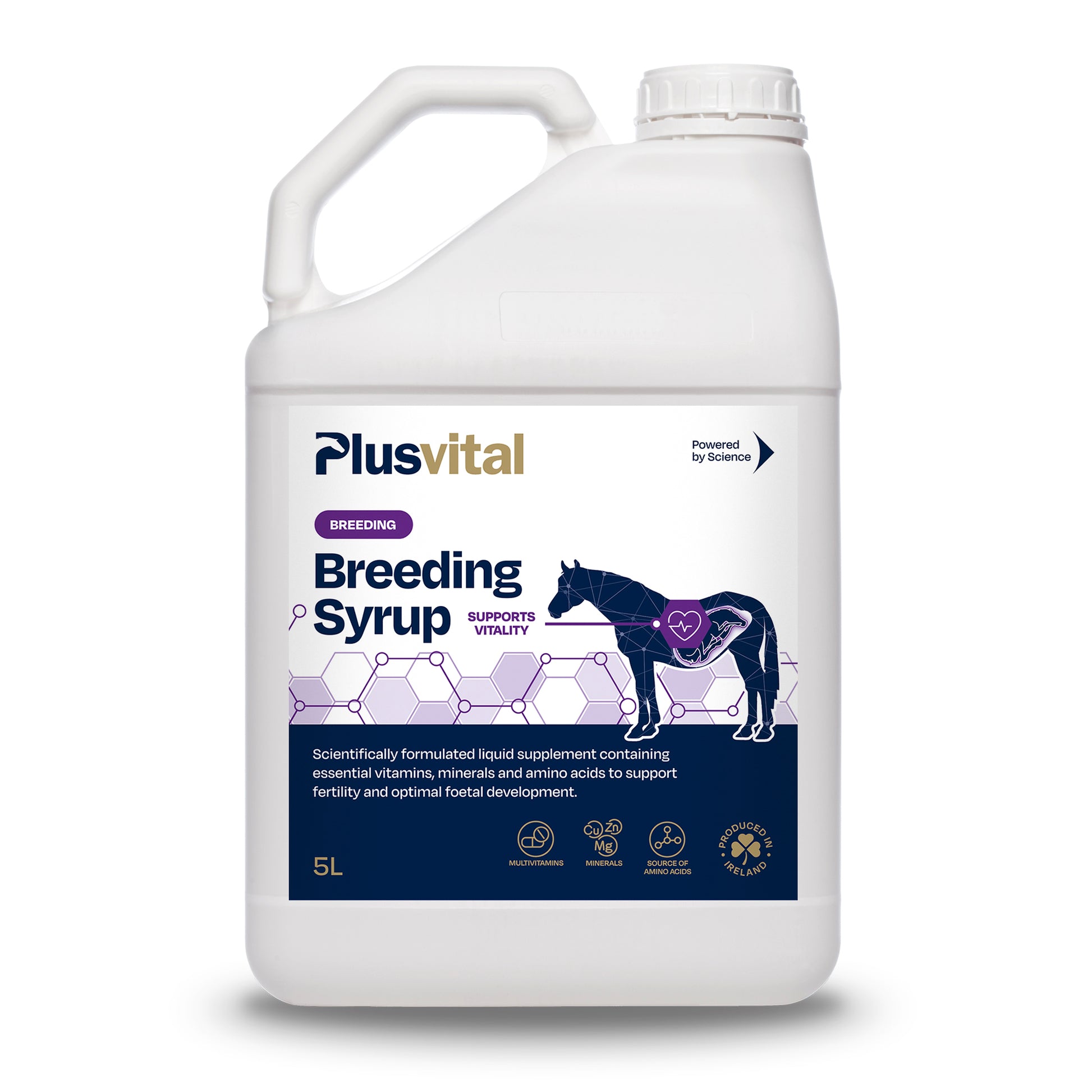
Breeding Syrup
From €18.93
Scientifically formulated liquid supplement containing essential vitamins, minerals and amino acids to support fertility and optimal foetal development.
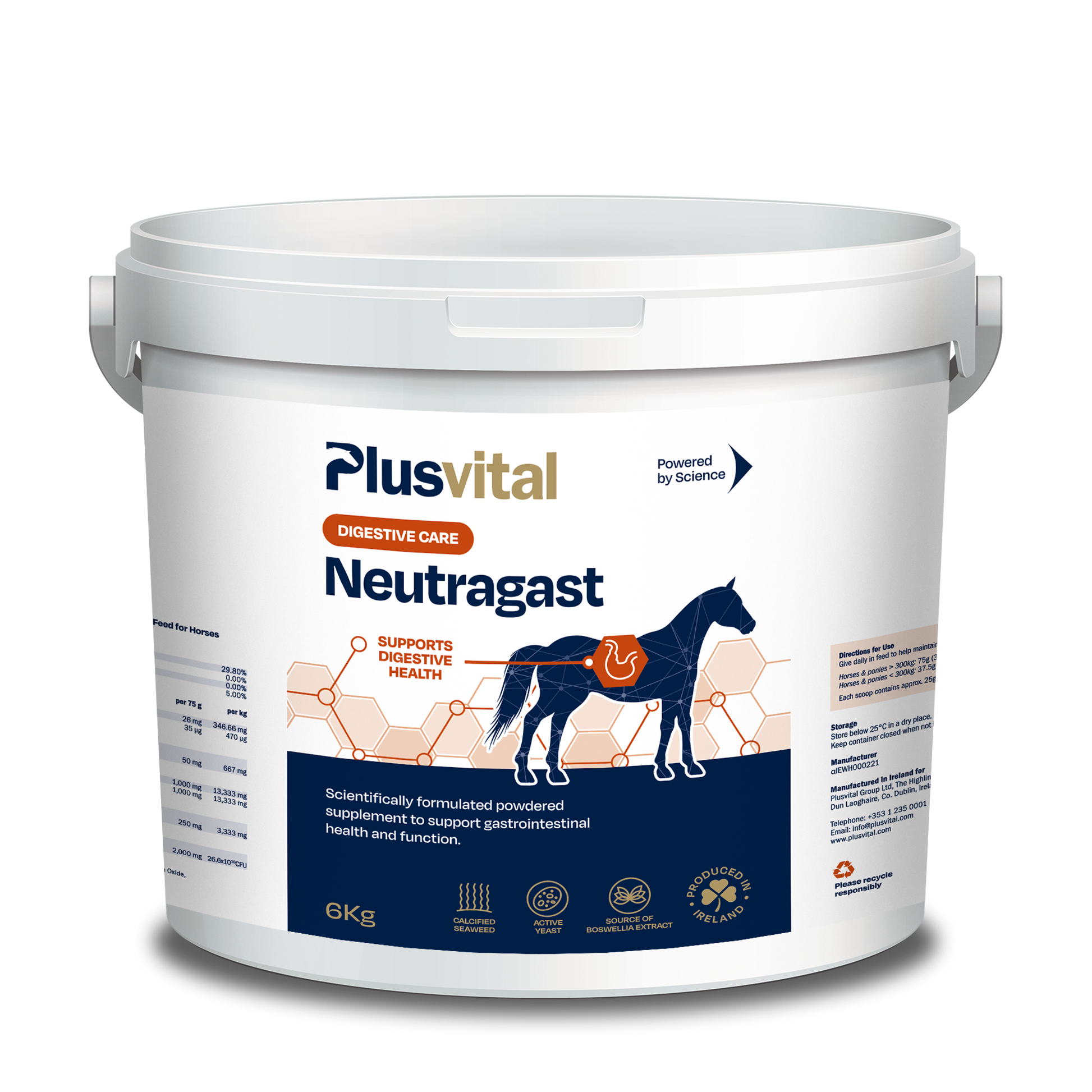
Neutragast
From €30.56
Scientifically formulated powdered supplement to support gastrointestinal health and function.
Advice
For advice on all aspects of equine nutrition and care please contact Rebecca our Chief Technical Officer.
Rebecca and her team are always on hand and happy to help.
- Rebecca Watson
- Chief Technical Officer
- +353 (0) 86 145 2288
- rebecca.watson@plusvital.com