From

Managing Obese Horses and Ponies: A Practical Approach to Safe Weight Loss
Many owners do not realise how easily horses and ponies can become overweight. However, obesity in horses is far more than a cosmetic concern. Carrying excess body fat increases the risk of serious health problems, including Equine Metabolic Syndrome (EMS), joint strain, reduced performance and, most importantly, laminitis. For good doers in particular, spring and summer grass can quickly become a major nutritional challenge.
Why Weight Management Matters in Horses and Ponies
Safe and effective horse weight loss starts with recognising the risks associated with obesity. Overweight horses and ponies are more likely to develop laminitis, especially when grazing rich pasture. Fresh spring and summer grass can be high in sugars and calories, making it unsuitable for many good doers, overweight horses, and ponies prone to laminitis.
The cornerstone of successful equine weight management is calorie restriction, particularly from grass. Restricting grazing through strip grazing, track systems, bare paddocks, correctly fitted grazing muzzles, or grass-free all-weather turnout can all be effective ways to reduce calorie intake (in some cases, horses and ponies with a history of laminitis may need to be removed from grass altogether).
Fibre Is Essential During Horse Weight Loss
While calorie control is essential, restricting calories must not mean restricting fibre too severely. Horses have a natural need to chew for dental health, mental wellbeing and normal digestive function. A forage-based diet remains essential, even during a weight loss programme for horses.
Feeding soaked hay is a practical way to reduce sugar intake while still supplying the fibre needed to support the digestive system and extend eating time. Using small-holed haynets or dividing forage into several small feeds can also help mimic natural foraging behaviour and reduce boredom.
For overweight horses and ponies, balancing lower calorie intake with adequate fibre is key to supporting both physical and behavioural wellbeing.
Gut Support for Overweight Horses on Restricted Diets
When calorie intake is reduced, gut health should not be overlooked. Horses on restricted diets, soaked hay, or limited grazing may benefit from additional digestive support, especially where stress, management changes or previous digestive issues are a concern.
Plusvital Neutragast can help support both the stomach and hindgut, making it a useful addition when managing obese horses and ponies on a controlled feeding plan. Supporting the intestinal microbiome during calorie restriction is an important part of maintaining digestive comfort and digestive efficiency.
Vitamins and Minerals Still Matter
One of the most common mistakes in horse weight loss programmes is reducing calories without replacing essential micronutrients. While feeding less may help reduce bodyweight, it can also leave horses short of the vitamins and minerals needed for immunity, metabolism, muscle function and overall health.
Plusvital Sport Syrup is an ideal way to help meet daily vitamin and mineral requirements during restricted feeding. It also contains added FOS to further support gut health, making it particularly useful for overweight horses and ponies on forage-based diets.
Hoof Support for Horses with Laminitis History
For horses and ponies with a current or previous history of laminitis, hoof nutrition should also be considered. Poor hoof growth and compromised horn quality are common concerns following laminitic episodes.
In these cases, Plusvital Acti-Hoof can help support healthy hoof growth and hoof quality as part of a wider laminitis management programme.
Monitor Progress and Aim for Steady Weight Loss
Alongside dietary control, regular monitoring is essential. Use a weight tape consistently, assess body condition regularly, and aim for gradual, sustainable weight loss in horses and ponies rather than rapid changes. Where the horse is sound, appropriate exercise should also be introduced to help increase calorie expenditure and support metabolic health.
The Key to Managing Obese Horses and Ponies
Managing obesity in horses and ponies successfully is about balance: restrict calories, maintain fibre intake, support the gut, and make sure nutritional requirements are still being met. With the right approach, overweight horses and ponies can lose weight safely while maintaining digestive health, hoof quality and overall wellbeing.
Products Featured in this Article
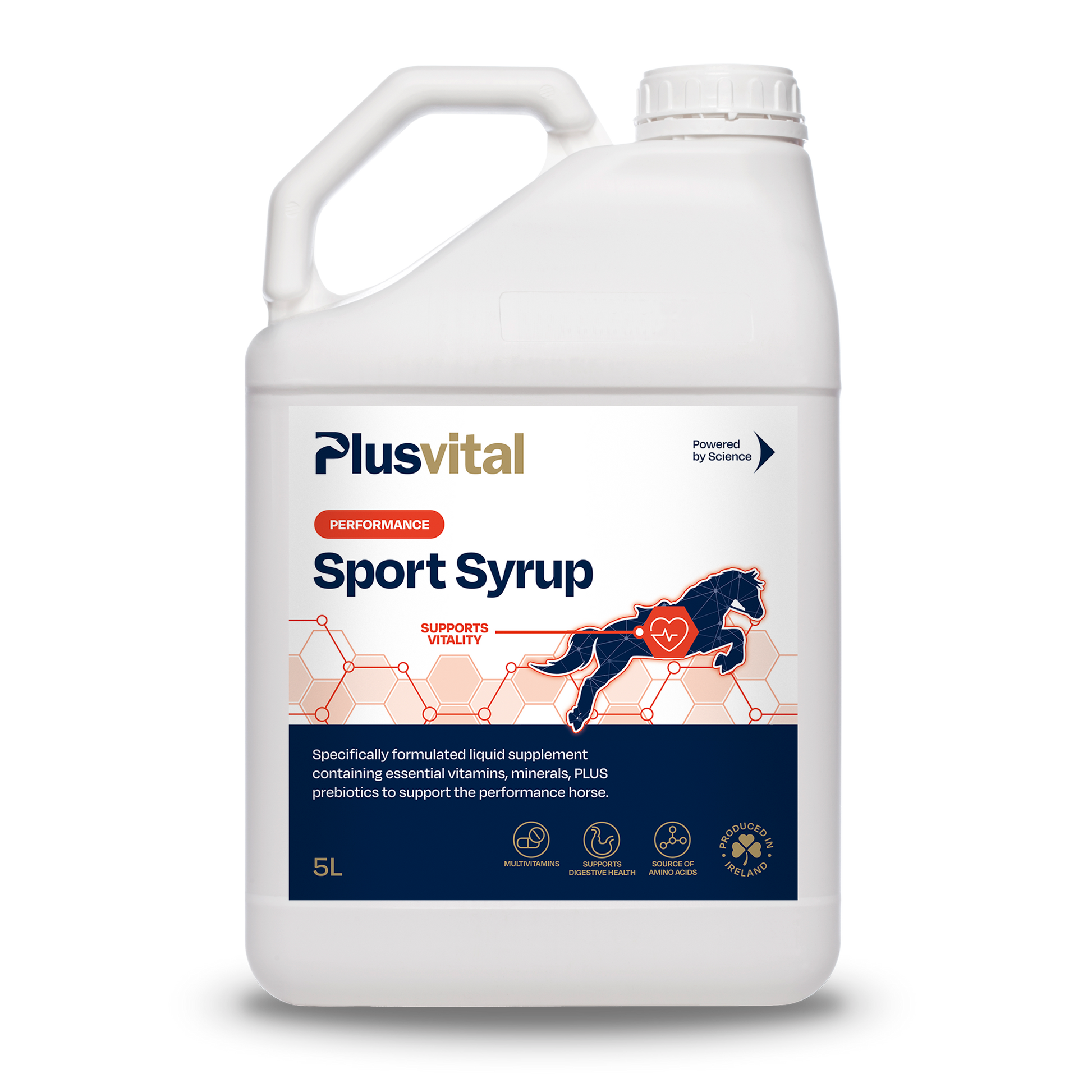
Sport Syrup
From €29.41
Scientifically formulated liquid supplement containing essential vitamins, minerals PLUS prebiotics to support the performance horse.

Acti-Hoof
From €27.39
Scientifically formulated powdered hoof supplement, combining higher levels of biotin with chelated zinc and methionine.

Neutragast Pellets
€51.09
Scientifically formulated pelleted supplement to support gastrointestinal health and function.
Advice
For advice on all aspects of equine nutrition and care please contact Rebecca our Chief Technical Officer.
Rebecca and her team are always on hand and happy to help.
- Rebecca Watson
- Chief Technical Officer
- +353 (0) 86 145 2288
- rebecca.watson@plusvital.com