From

Equine Influenza: What Horse Owners Need to Know
Equine influenza (or flu) is one of the most contagious respiratory diseases affecting horses worldwide. While most horses recover well, outbreaks can spread rapidly through yards, training centres and competition venues, causing disruption, lost training days and, in some cases, serious complications.
Understanding how equine flu spreads, recognising the signs early and supporting your horse’s immune system are key to reducing risk.
What is Equine Flu?
Equine flu is caused by a virus that attacks the respiratory tract, leading to inflammation and damage to the airways. It spreads extremely easily between horses and is most commonly seen in young horses (1–5 years old) and horses exposed to stress through travel, training or competition.
The virus is constantly evolving, which is why vaccination programmes are regularly updated.
Unlike some other equine viruses, horses do not become long-term carriers of equine flu, but infected horses can shed large amounts of virus for around 7–10 days, often before obvious signs are noticed.
How Does It Spread?
Equine flu spreads mainly through:
• Coughing and inhalation of infected respiratory droplets
• Nose-to-nose contact
• Contaminated hands, clothing, buckets and equipment
Because the virus spreads so efficiently, introducing one infected horse into a susceptible group can quickly result in an outbreak.
Signs of Equine Flu
Clinical signs usually develop 1–3 days after exposure and commonly include:
• Sudden high fever
• Cough (typically dry and harsh)
• Clear nasal discharge that may become thicker over time
• Reduced appetite
• Lethargy and poor performance
Coughing is often more persistent with flu than with some other respiratory viruses and may continue for several weeks.
In uncomplicated cases, horses generally recover within 2–3 weeks, but more severe cases may take significantly longer.
Why Rest is So Important
Equine flu damages the delicate lining of the airways and the microscopic cilia responsible for clearing mucus and debris from the lungs.
These tissues take approximately three weeks to regenerate, leaving horses vulnerable to secondary bacterial infections such as pneumonia if they return to exercise too quickly.
A useful rule of thumb is:
Allow one week of rest for every day of fever, with a minimum of three weeks rest.
Supporting Immunity Through Nutrition
While nutrition cannot prevent equine flu, maintaining a healthy immune system may help support resilience and recovery.
A balanced diet providing adequate energy, high-quality protein, vitamins, minerals and antioxidants supports normal immune function and overall health. Nutritional support products such as Plusvital Sport Syrup, Plusvital Breeding Syrup and Plusvital Racing Syrup are formulated to help provide these essential nutrients. Particular attention should also be paid to nutrients involved in immune and respiratory health, including vitamin E, vitamin C, selenium (supported through Plusvital E-Dash) and omega-3 fatty acids (available in Plusvital Carron Oil).
Gut health also plays an important role in immunity. With over 70% of the immune system associated with the gastrointestinal tract, supporting a healthy and diverse gut microbiome may help optimise immune function, particularly during periods of increased challenge such as travel, competition or illness. Plusvital Neutragast is formulated to support digestive health and help maintain a healthy gut environment.
For horses under increased respiratory challenge, or just those travelling and competing regularly, targeted nutritional support may also be beneficial. Plusvital Betapulmin, from our veterinary range, is designed to support respiratory health and immunity - ask your veterinary surgeon for more information.
Prevention is Better Than Treatment
Treatment of equine flu is largely supportive: rest, hydration and management of fever.
The most effective prevention strategies include:
• Vaccination (particularly for travelling and competition horses)
• Isolating new arrivals for 2 weeks
• Good stable hygiene and ventilation
• Minimising unnecessary horse-to-horse contact during outbreaks
Equine influenza is highly contagious, but with sensible biosecurity, vaccination and good nutritional management, its impact can be significantly reduced.
Products Featured in this Article
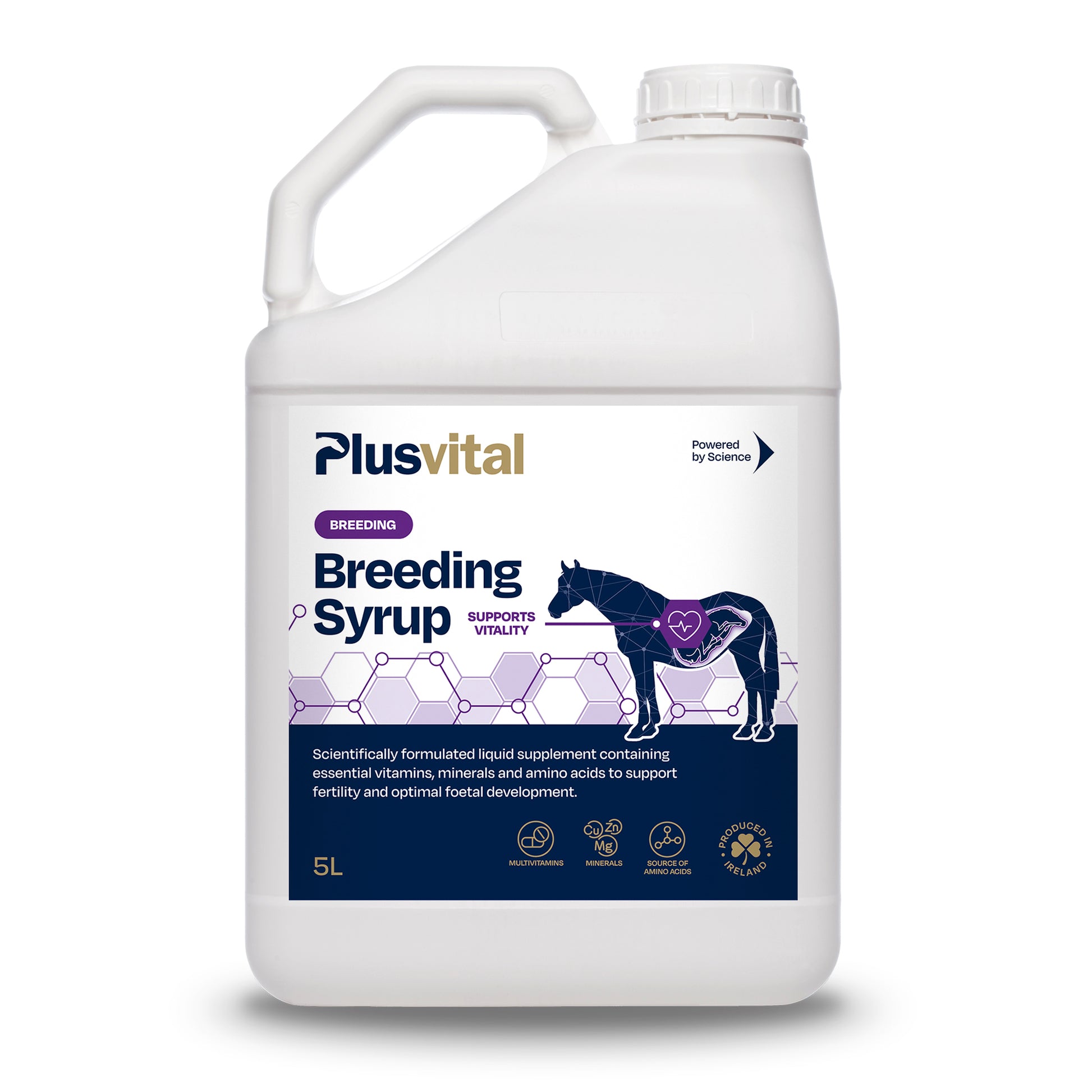
Breeding Syrup
From €18.93
Scientifically formulated liquid supplement containing essential vitamins, minerals and amino acids to support fertility and optimal foetal development.

Carron Oil
From €21.80
A rich source of essential Omega 3 and 6 fatty acids from high quality, cold pressed linseed oil fortified with calcium hydroxide.
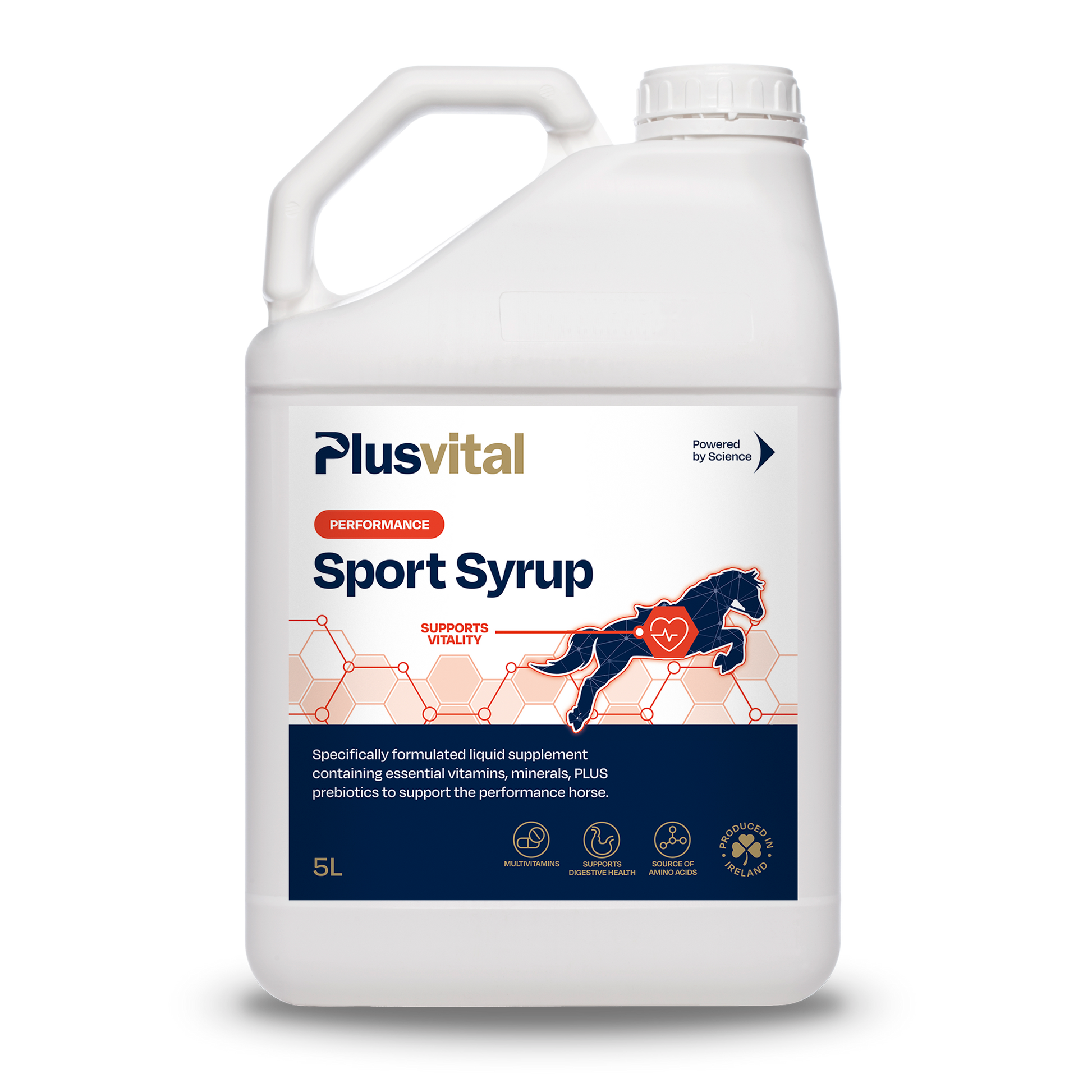
Sport Syrup
From €29.41
Scientifically formulated liquid supplement containing essential vitamins, minerals PLUS prebiotics to support the performance horse.
Advice
For advice on all aspects of equine nutrition and care please contact Rebecca our Chief Technical Officer.
Rebecca and her team are always on hand and happy to help.
- Rebecca Watson
- Chief Technical Officer
- +353 (0) 86 145 2288
- rebecca.watson@plusvital.com